Explosive Demand in the Middle East Market: Fully Automated Welding Workstations Become a Core Tool for Industrial Upgrading
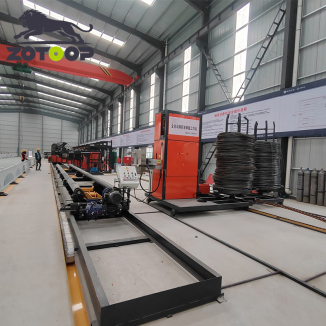
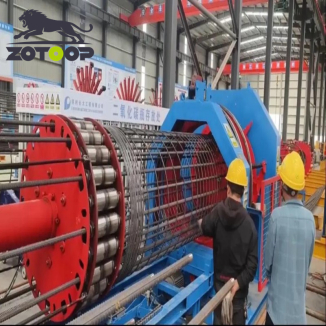
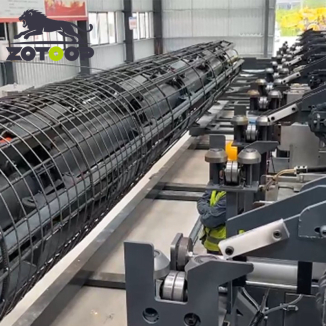
In recent years, the Middle East has witnessed a parallel industrial transformation and infrastructure boom. Countries like Saudi Arabia, the UAE, and Qatar have accelerated their manufacturing upgrades, leading to a surge in welding demand in sectors such as oil and gas pipelines, building steel structures, and automotive parts. Fully automated welding workstations, with their high efficiency, precision, and energy savings, have become a core choice for local companies to reduce reliance on manual labor and increase production capacity, opening up a trillion-dollar blue ocean market for Chinese foreign trade enterprises.
The core pain points of the Middle Eastern market perfectly align with the core advantages of fully automated welding workstations. Currently, labor costs in the Middle East are continuously rising. Traditional manual welding is inefficient, with inconsistent weld pass rates, making it difficult to meet the stringent standards and tight deadlines of major projects such as oil and gas and infrastructure. Fully automated welding workstations, on the other hand, can operate continuously 24 hours a day, with a first-pass weld pass rate consistently above 98%. This significantly reduces labor costs while dramatically improving construction efficiency, perfectly adapting to the welding needs of large-scale projects such as the Saudi MGS natural gas pipeline network and UAE infrastructure projects.
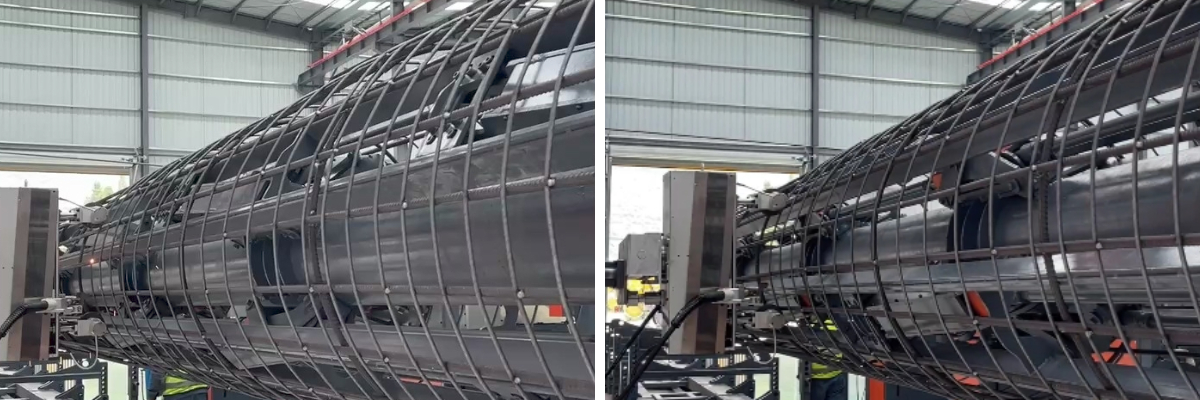
It is noteworthy that the Middle East has extremely high requirements for the compliance and environmental adaptability of welding equipment. Saudi Arabia, as a core market in the Middle East, requires welding equipment to be SABER certified. This certification consists of two parts: QM (Quality of Conformity) and COC (Certificate of Conformity), which are essential documents for customs clearance and market entry. Furthermore, the high temperature, high humidity, and windy, sandy climate conditions in the Middle East place even higher demands on equipment stability. Chinese fully automated welding workstations, through optimized protective structures and enhanced heat dissipation performance, can operate continuously and stably in extreme environments, making them the preferred choice for local enterprises.
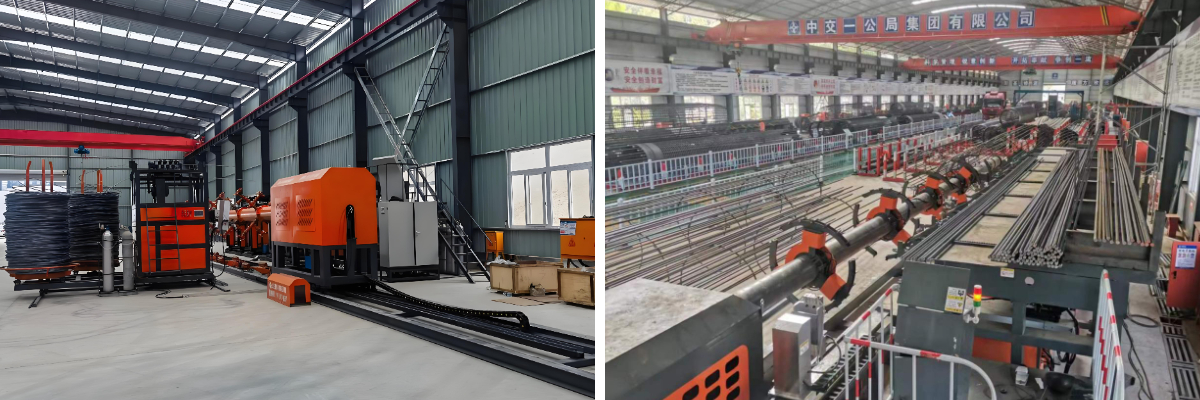
With the advancement of Saudi Arabia's "Vision 2030," 80% of the equipment in the domestic metal processing industry relies on imports, and the demand gap for welding automation equipment continues to widen. Chinese fully automated welding workstations, with their high cost-effectiveness, customization capabilities, and comprehensive after-sales support, are gradually breaking the monopoly of European and American brands and becoming the mainstream choice in the Middle Eastern market, providing a vast market space for export-oriented enterprises.